
Blog
Smarter HVAC Choices: A Practical Guide to Comfort, Efficiency, and Reliability
Start With Accurate Load Calculations, Not Rule-of-Thumb Sizing
Reliable comfort begins with understanding a building’s true heating and cooling loads. Manual calculation methods, supported by precise site measurements and insulation checks, help avoid the common pitfall of oversizing. Oversized equipment short-cycles, wears out faster, and can leave rooms feeling clammy rather than comfortable. Conversely, undersized equipment runs constantly and still fails to keep up on extreme days.
For example, a two-story home with a mix of sun-exposed rooms and shaded spaces may seem to need a larger system, but a thorough load analysis often reveals that targeted improvements—such as sealing attic penetrations, adding insulation above the top floor, and addressing window drafts—reduce the required capacity. The result is a right-sized system that maintains stable temperatures, uses less energy, and operates more quietly. This careful groundwork also helps guide choices among furnaces, air conditioners, ducted heat pumps, or ductless solutions, ensuring the final design reflects the actual needs of the space rather than guesswork.
Match Equipment to Climate and Distribution Needs
Climate patterns and distribution constraints shape which solutions perform best. In regions with wide temperature swings, dual-fuel setups or cold-climate heat pumps offer balanced efficiency and resilient comfort. For homes without existing ducts—or where ducts are undersized—ductless mini-split systems can deliver room-by-room zoning without requiring major renovations. In buildings with intact but leaky ducts, a strategy focused on sealing and balancing can unlock surprising gains.
Consider a home with hot upstairs bedrooms and a chilly first floor: carefully measured airflow adjustments, duct sealing, and an upgraded variable-speed air handler can even out temperatures without oversizing the condenser. Where electrification is a priority, heat pump installation integrates seamlessly with smart thermostats and zoning controls to modulate output, reduce cycling, and maintain steady indoor conditions. The key is to think holistically—pairing equipment type, distribution method, and controls so each element reinforces the others.
Plan for Indoor Air Quality Alongside Comfort
Comfort is about more than just temperature. Indoor air quality depends on controlled ventilation, filtration, and humidity management. Balanced ventilation strategies bring in outdoor air while exhausting stale indoor air, reducing pollutants and odors without wasting energy. Appropriate filtration, selected to match the blower’s capabilities, captures fine particles and allergens without choking system airflow. Humidity control—via variable-speed systems, dedicated dehumidifiers, or properly sized coils—prevents mold growth and improves perceived comfort at moderate setpoints.
For example, a home near a busy roadway benefits from a filtration upgrade combined with a well-sealed return plenum, limiting particulate infiltration while maintaining design airflow. In coastal or damp regions, pairing a variable-capacity heat pump with whole-home dehumidification can keep relative humidity in check, easing the load on the cooling system and improving sleep quality. Coordinated air quality design reduces strain on equipment, lowers complaints, and supports healthier living spaces.
Use Controls and Zoning to Align Energy Use With Occupancy
Modern controls convert a good design into a consistently excellent experience. Smart thermostats that learn schedules and occupancy can fine-tune setpoints without constant user input. Zoning divides a home into areas with distinct requirements—such as a home office, bedrooms, and a finished basement—so energy is delivered exactly where and when it is needed.
In a typical scenario, zoning valves or multiple indoor heads paired with a single outdoor unit let a household cool an upstairs bedroom at night without overcooling seldom-used living areas. Pairing zoning with variable-speed equipment keeps airflow gentle and temperatures even, reducing noise and eliminating the big swings associated with single-stage systems. Thoughtful sensor placement, periodic calibration, and clear naming conventions in the control app help maintain precision. When combined with a heat pump installation, advanced controls can also manage defrost cycles and auxiliary heat lockouts to preserve efficiency during cold snaps while protecting comfort during the toughest weather.
Prioritize Commissioning and Maintenance for Long-Term Payoff
The final steps determine how well a system performs over its lifetime. Commissioning verifies that design intent meets reality: that the refrigerant charge is within manufacturer guidelines, static pressure aligns with blower settings, airflow is balanced to each room, and controls operate in the correct sequence. Skipping these checks can lock in inefficiencies that persist for years. After a successful handoff, a structured maintenance plan keeps everything tuned.
Routine filter changes maintain airflow, coil and drain cleaning preserves capacity, and seasonal inspections catch worn components before they fail during peak demand. A case in point: a homeowner with uneven cooling and rising energy use discovered that a simple return-side restriction and a partially clogged condensate drain were undermining system efficiency. Correcting those issues restored performance without major replacements. Over time, these small, consistent care steps protect equipment warranties, extend system life, and keep comfort levels predictable through both heat waves and cold snaps.
Essential Trends and Best Practices in the HVAC Industry for Reliable Home Heating
Preventive Maintenance and Seasonal Readiness
Proactive care remains the backbone of reliable HVAC performance, and the industry has leaned heavily into maintenance programs that anticipate issues before they disrupt personal comfort. Seasonal inspections focus on combustion safety checks, airflow measurements, and thorough component cleaning to stabilize performance when temperature swings are at their most demanding. In practical terms, this means verifying burner ignition and flame sensing on gas systems, inspecting heat exchangers for signs of structural stress, and ensuring blowers and belts operate smoothly without excessive vibration or noise.
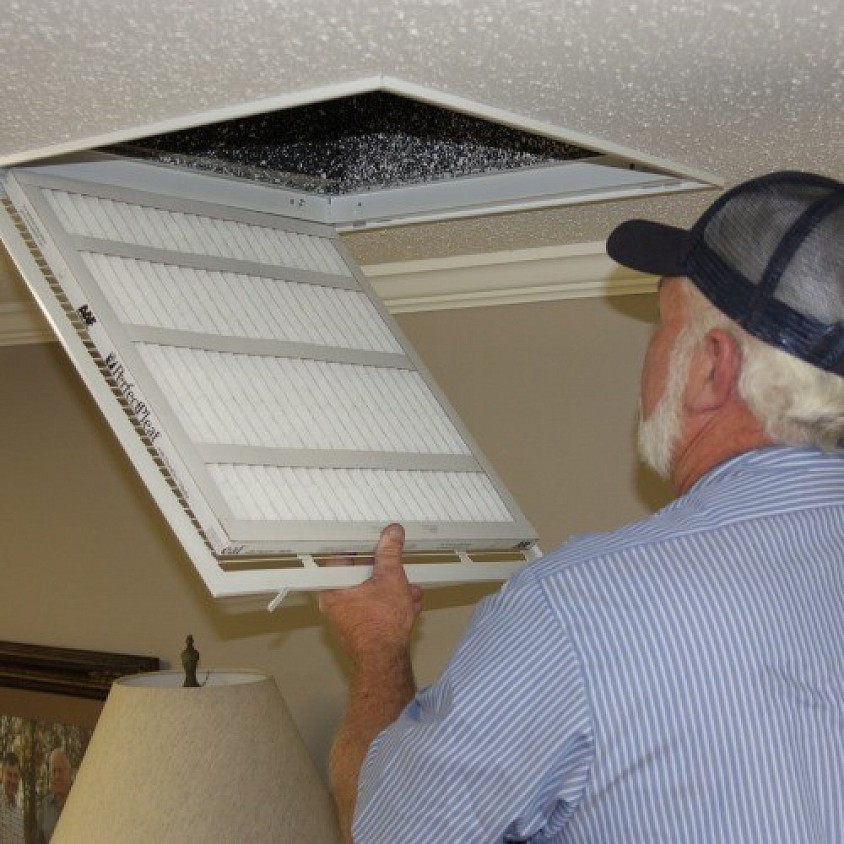
For homeowners, an example of this preventive impact is catching a weakening blower capacitor in the fall, long before a mid-winter no-heat call ever occurs. Air filter management also falls under this protective umbrella; matching filter MERV ratings to the equipment and home environment helps balance indoor air quality with system airflow. When maintenance is scheduled alongside weather transitions, the result is steadier comfort, lower energy strain, and fewer emergency repair visits.
Diagnostics-First Approach to Furnace Repair and System Service
The industry’s shift toward diagnostics-first service elevates accuracy and minimizes unnecessary parts replacements. Furnace repair today often begins with a systematic, proven sequence: confirm thermostat communication, assess safety switches, evaluate inducer and pressure switch performance, and verify gas valve operation with proper ignition. Tools such as static pressure measurements and combustion analysis paint a complete picture of how the system breathes and burns.
For instance, elevated carbon monoxide in the flue paired with sooty burners can point directly to restricted combustion air or an improper gas-to-air mix, guiding a precise correction. On variable-speed models, technicians review control boards and ECM motor parameters to ensure ramp profiles match the duct system’s exact needs. Even simple symptoms—such as short-cycling, uneven room temperatures, or persistent drafts—are now unpacked through airflow mapping, duct inspection, and return-path evaluation rather than relying on guesswork. This data-centered approach enhances safety, preserves equipment life, and restores comfort in a targeted, accountable manner.
Smart Controls, Zoning, and Adaptive Comfort
Connected thermostats and zoning controls are redefining comfort by matching system output to the way homes are actually used. Instead of a single temperature target for an entire house, smart zoning directs conditioned air straight to occupied rooms and eases off in less-used areas, aligning HVAC output with real-time demand.
For example, a finished basement may require longer, gentler run times in the winter to combat cold slab influence, while upper floors may need reduced airflow in the evening to prevent overheating from rising heat. Smart thermostats learn household patterns and recommend schedules that limit abrupt swings, improving both energy efficiency and equipment longevity. When combined with variable-speed furnaces or air handlers, these controls maintain tighter temperature bands with fewer dramatic on/off cycles. The payoff includes steadier humidity levels, quieter operation, and a more personalized balance of comfort throughout the day. As a best practice, system commissioning should include verifying damper operation, calibrating sensor placement, and confirming that airflow remains within manufacturer guidelines after any zoning adjustments.
Indoor Air Quality Integration with Heating Performance
Indoor air quality solutions now operate in concert with heating systems rather than as optional add-ons. Balanced ventilation, high-quality filtration, and humidity control support both human health and overall system performance. Consider a home with frequent winter congestion and static electricity: a whole-home humidifier, set to appropriate levels for the local climate and building envelope, can drastically reduce dryness-related discomfort while helping the heating system deliver warmth that feels more even.
Meanwhile, right-sized ventilation reduces stale-air buildup and manages indoor pollutants without undermining heating efficiency. Upgraded filtration, when matched to the blower’s capabilities, captures finer particulates without choking system airflow. The industry emphasizes careful selection and commissioning to avoid common tradeoffs, such as oversized filtration media that drives up static pressure, humidifiers set beyond safe levels that risk condensation on windows, or ventilation without adequate balancing. Indoor air quality done right blends seamlessly with heating cycles, contributing to cleaner, more comfortable air that supports the system rather than burdening it.
Resilience, Efficiency Upgrades, and Long-Term Planning
Resilience has become a guiding principle, encouraging systems that stay completely dependable during peak weather and grid stresses. Efficiency upgrades—such as variable-speed blowers, properly sealed and insulated ductwork, and improved building envelope measures—help equipment work less while delivering consistent comfort. For example, sealing a leaky return trunk can eliminate unconditioned air draw from an attic or crawlspace, stabilizing supply temperatures and reducing overall system runtime.
When planning for the long term, the industry recommends a holistic view: perform load calculations that accurately reflect insulation levels and window performance, ensure ducts are right-sized and verified after any renovation, and consider how future add-ons—like advanced filtration or ventilation—will integrate with the current system. Even small changes can yield reliable returns, such as adjusting supply register placement to address a cold corner or recalibrating a thermostat sensor away from drafts and heat sources. By treating comfort as a complete system—encompassing the equipment, controls, air distribution, and the structure of the home itself—upgrades compound into quieter operation, fewer breakdowns, and predictable seasonal performance.